
What 3 new MIT Sloan professors have learned about AI
New faculty members are thinking about how AI can help decision-making, the value of adversarial AI agents, and the skills workers need in the AI era.

New faculty members are thinking about how AI can help decision-making, the value of adversarial AI agents, and the skills workers need in the AI era.
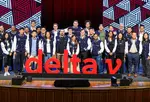
The 2026 MIT delta v Demo Day showcased startup innovations in biotechnology, healthcare, AI, cybersecurity, robotics, finance, and manufacturing.

The North Korean threat actor known as Jade Sleet has been attributed to the compromise of an India-based “much smaller organization” in the information technology (IT) services industry, once again highlighting how the adversary continues to target developers to breach target networks. Cybersecurity company SentinelOne, which disclosed details of the activity, said it involved the use of Apple
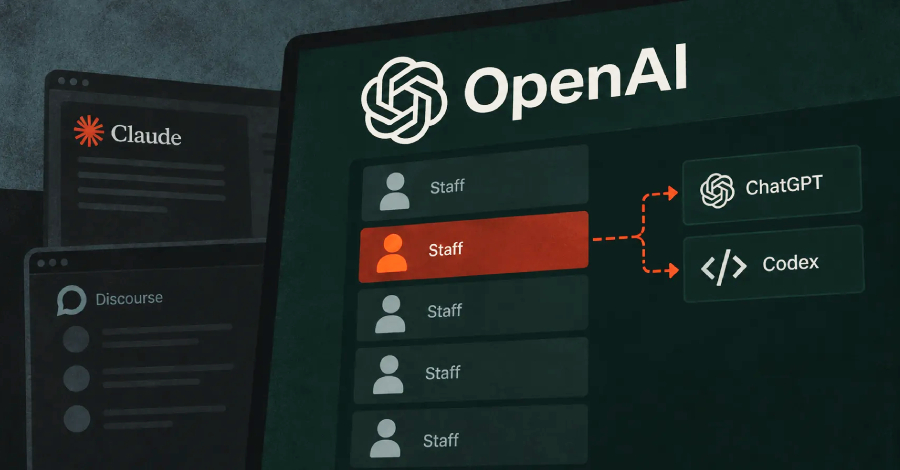
Three researchers at the security firm Hacktron used Anthropic’s Claude Opus 5 to chain two flaws and take over the ChatGPT and Codex accounts of several OpenAI employees, then reach an internal OpenAI code repository. The chain began with a bug in the software that runs OpenAI’s public help forum and moved through a weakness in OpenAI’s own login system. This was security research,
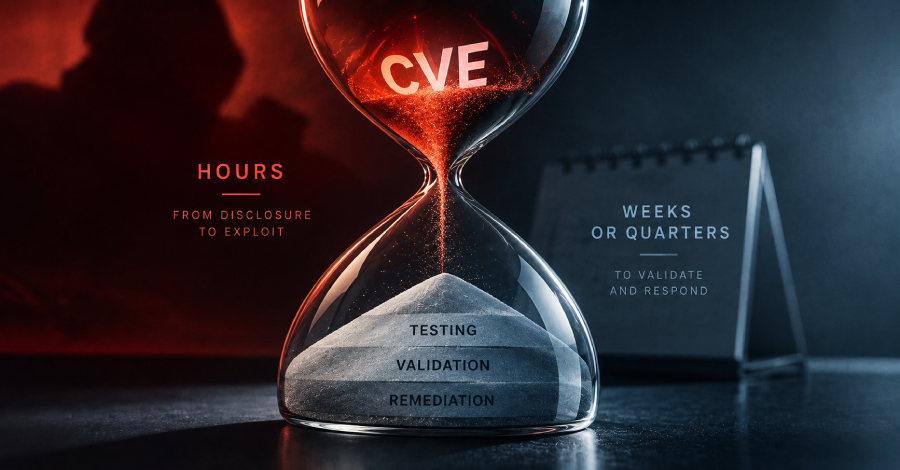
A new CVE drops. Your scanner finds it. The severity score looks ugly. But that still does not answer the question that matters: Can it actually be exploited in your environment? Mythos-class AI is compressing the time between disclosure and working exploitation, while many security programs still validate risk on weekly or quarterly cycles. The dangerous gap is no longer just technical. It is
Identity visibility is a starting point for modern identity security, because stolen and misused credentials are among the most frequently reported initial access vectors in breach research, including Verizon’s annual Data Breach Investigations Report. This article explains what identity visibility means in IAM, why cloud and multicloud environments complicate it, which capabilities matter in

SolarWinds has released security updates to address a high-severity flaw in Access Rights Manager (ARM) that, if successfully exploited, could lead to an unauthenticated remote code execution vulnerability. The vulnerability, tracked as CVE-2026-28326, is rated 8.8 out of 10.0 on the CVSS scoring system. The issue affects all versions of Access Rights Manager 2026.2 and prior. “SolarWinds
A critical vulnerability impacting Orkes Conductor is being actively exploited in the wild, according to Fortinet. The vulnerability in question is CVE-2026-58138 (CVSS v3.1 score: 9.8/CVSS v4 score: 9.3), which relates to a case of unauthenticated remote code execution. “Orkes Conductor 3.21.21 before 3.30.2 contains an unauthenticated remote code execution vulnerability that allows remote
Google’s Gemini model has become the latest artificial intelligence (AI) system to access the internet and break into other companies during a cybersecurity evaluation. The development was first reported by The Wall Street Journal. The incidents occurred in May 2026 as part of a test run conducted by Israeli company Irregular. The evaluation partner was also involved in similar hacks disclosed