
Lunex Stealer Abuses AMD Driver to Disable Security Monitoring and Steal Browser Credentials

The Psychedelic Stealer malware distributed via compromised Ukrainian websites using ClickFix-style Cloudflare verification checks is part of a wider malware-as-a-service (MaaS) platform called Lunex. The new findings come from Ontinue, which described the activity as a four-stage attack chain aimed at targeting Ukrainian-speaking users. “The attack chain begins with a fake CAPTCHA page and
Attackers Bypass WAFs to Exploit Oracle PeopleSoft Flaw and Deploy Web Shells

Google is warning of renewed mass exploitation of a known security vulnerability in Oracle PeopleSoft as part of a campaign targeting multiple sectors globally. The ShinyHunters-linked activity involves the weaponization of CVE-2026-35273 (CVSS score: 9.8), a critical security flaw that could result in unauthenticated remote code execution. The vulnerability was first exploited as a zero-day
Attackers Bypass WAFs to Exploit Oracle PeopleSoft Flaw and Deploy Web Shells

Google is warning of renewed mass exploitation of a known security vulnerability in Oracle PeopleSoft as part of a campaign targeting multiple sectors globally. The ShinyHunters-linked activity involves the weaponization of CVE-2026-35273 (CVSS score: 9.8), a critical security flaw that could result in unauthenticated remote code execution. The vulnerability was first exploited as a zero-day
Zero Trust for AI Agents Starts With Fixing Zero Visibility

The way we talk about AI agents is shifting, and the way we implement them requires an even more fundamental shift. While earlier discourse focused on how quickly organizations could stand up agents and how much productivity they could promise, a string of recent incidents, including a widely discussed intrusion at Hugging Face during an evaluation of OpenAI agents, has spurred organizations to
Elementor CSRF Flaw Lets Attackers Take Over Sites After Admin Clicks Crafted Link

Details have emerged about a high-severity security flaw in the Elementor Website Builder WordPress plugin that could be exploited by an unauthenticated attacker to create rogue administrator accounts and take control of a site. The cross-site request forgery (CSRF) vulnerability, which has yet to be assigned a CVE identifier, carries a CVSS score of 8.8 out of 10.0. It only affects versions
SharePoint RCE and MikroTik RouterOS Flaws Actively Exploited in the Wild

The U.S. Cybersecurity and Infrastructure Security Agency (CISA) on Friday added two security flaws impacting Microsoft SharePoint and Mikrotik RouterOS to its Known Exploited Vulnerabilities (KEV) catalog, citing evidence of active exploitation. The vulnerabilities in question are as follows – CVE-2026-65660 (CVSS score: 8.8) – A code injection vulnerability in Microsoft Office SharePoint
Kiteworks Urges Customers to Shut Down Systems for 9 Hours Over Possible Cyber Attack
Kiteworks (formerly Accellion) is urging customers to shut down their systems as a precautionary measure for nine hours over the weekend after it received threat intelligence about an imminent cyber attack. “Kiteworks received credible threat intelligence from federal intelligence authorities indicating that a threat actor may attempt to target some Kiteworks systems,” said Frank Balonis, Chief
Compromised GitHub Actions Came Back Online and Resumed Executing Mini Shai-Hulud Malware
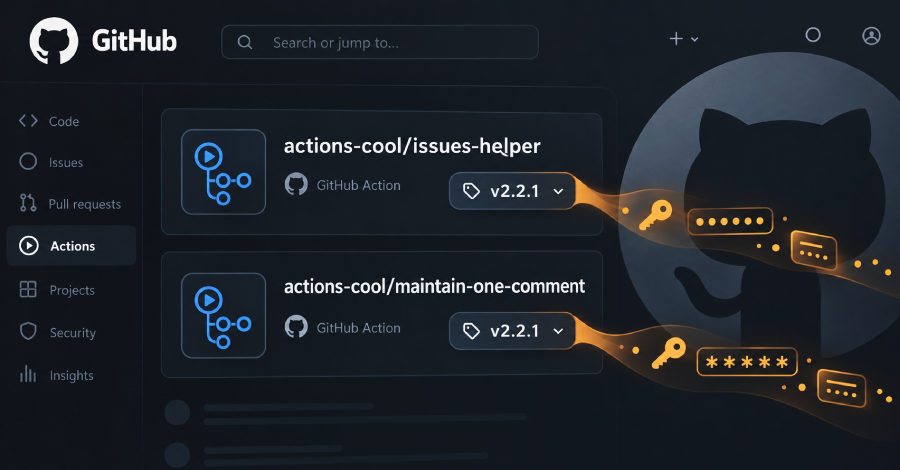
Two actions-cool GitHub Actions have been disabled for a second time after the repositories became accessible last week, months after they were compromised during the May 2026 Mini Shai-Hulud campaign. The affected GitHub Actions are listed below – actions-cool/issues-helper actions-cool/maintain-one-comment Visiting either of the repositories now shows the message: “Access to this
PamStealer macOS Malware Adds Live C2 Payload Decryption and Multi-Layer Persistence

Cybersecurity researchers have flagged a new version of PamStealer that ensures that the main payload can only be recovered using a server-side decryption chain. The latest artifacts, per Jamf Threat Labs, continue to rely on the same JavaScript for Automation (JXA) dropper mechanism, but modify the lure and the delivery method. “Where earlier variants embedded their payload key material
The SOC Doesn't Need to Start Over with Every Alert
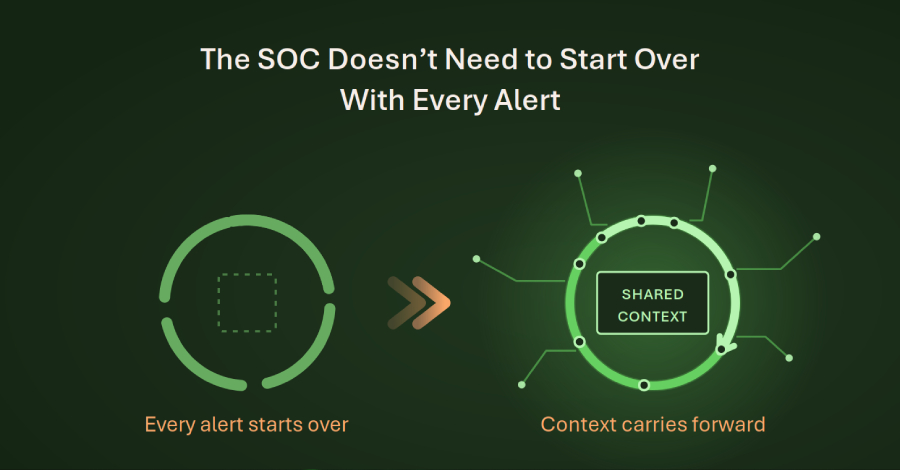
Security leaders keep debating whether AI will produce an entirely new class of cyberattack. The nearer change is quieter and already visible: AI has made a failed attack cheap to retry. The routine version looks like this. An attacker lands on a low-privilege cloud account, and the first try at privilege escalation goes nowhere. That dead end used to cost hours of documentation reading,