
Critical NGINX Vulnerability Can Crash Workers and May Allow Remote Code Execution
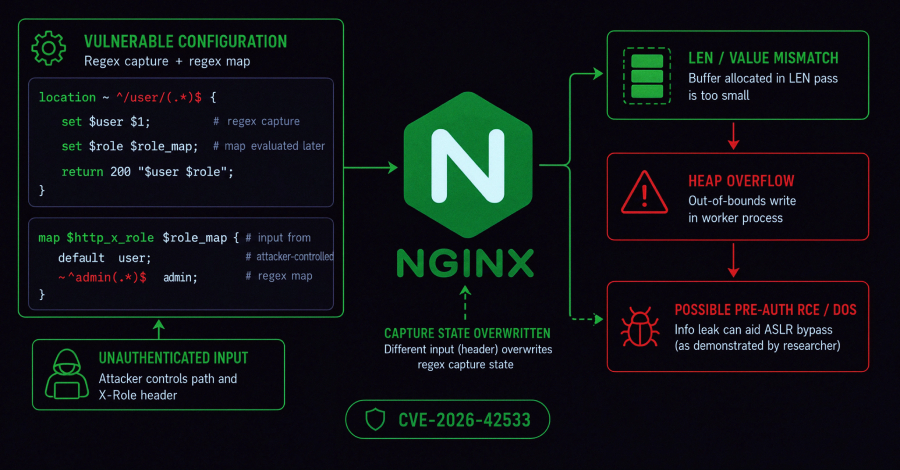
F5 has shipped fixes for a critical nginx flaw that lets a remote, unauthenticated attacker trigger a heap buffer overflow in the worker process with crafted HTTP requests. CVE-2026-42533 was patched on July 15 in nginx 1.30.4 (stable) and 1.31.3 (mainline), and in NGINX Plus 37.0.3.1; anyone on an earlier build should upgrade. Triggering it can crash or restart the worker, causing a denial of
UAC-0145 Uses ClickFix CAPTCHAs to Infect Ukrainian Devices wih Malware
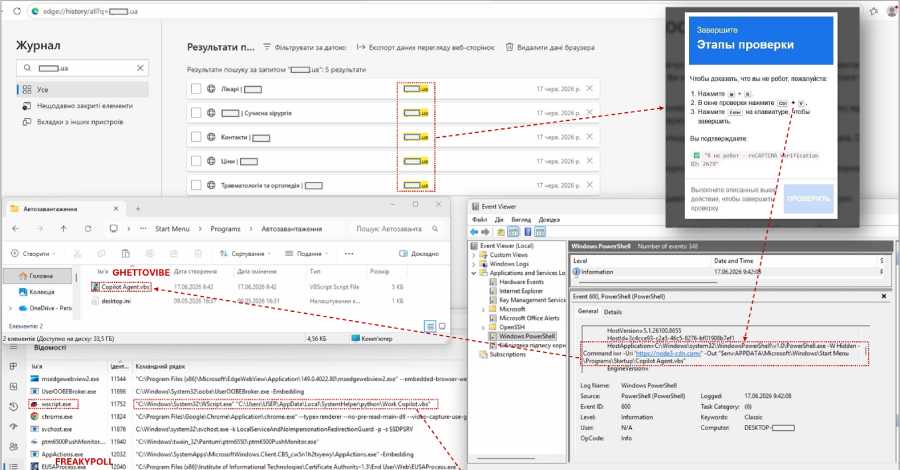
Russian state-sponsored threat actors have been observed leveraging the infamous ClickFix strategy to trick Ukrainian targets into infecting their own machines with data-stealing malware. According to the Computer Emergency Response Team of Ukraine (CERT-UA), the activity has been attributed to UAC-0145, a sub-cluster within Sandworm, an advanced hacking unit affiliated with GRU, Russia’s
SonicWall SMA Zero-Days Exploited Before Disclosure to Gain Root Access

A previously undocumented threat actor has been attributed to the exploitation of recently disclosed SonicWall Secure Mobile Access (SMA) 1000 series VPN appliances as zero-days prior their public disclosure since June 22, 2026. Cybersecurity company Volexity is tracking the activity under the moniker UTA0533. The discovery was made following an incident response investigation earlier this
Opera GX Flaw Let Malicious Sites Auto-Install Mods to Steal Data From Visited Pages
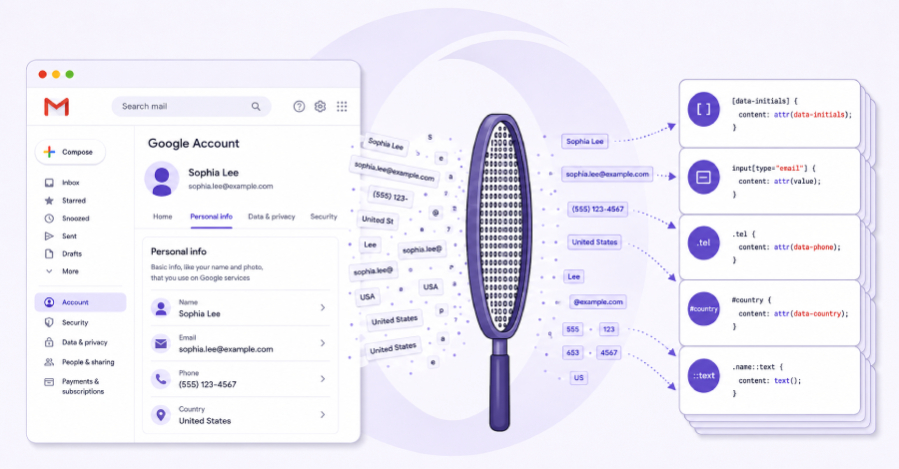
Researchers found a flaw in Opera GX, the gaming-focused version of the Opera browser, that let a malicious website silently install a browser add-on and use it to lift specific data from the pages a victim visits. In a proof of concept, they reconstructed a signed-in user’s full Gmail address from a single visit, with no click. Opera has patched the flaw and says it found no evidence that
SkillCloak Lets Malicious AI Agent Skills Evade Static Scanners with Self-Extracting Packing
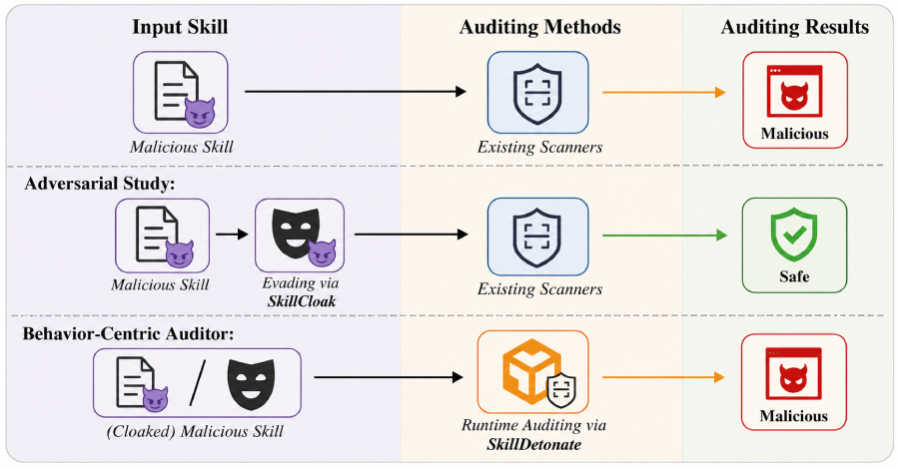
Scanners meant to catch malicious add-on “skills” for AI coding agents can be fooled by a few simple changes that leave the malware working, according to a new study from researchers at the Hong Kong University of Science and Technology. Their strongest trick slipped past every scanner tested more than 90% of the time, and the same team built a runtime checker that catches most of the
Public PoC Released for Critical libssh2 CVE-2026-55200 Client-Side SSH Flaw
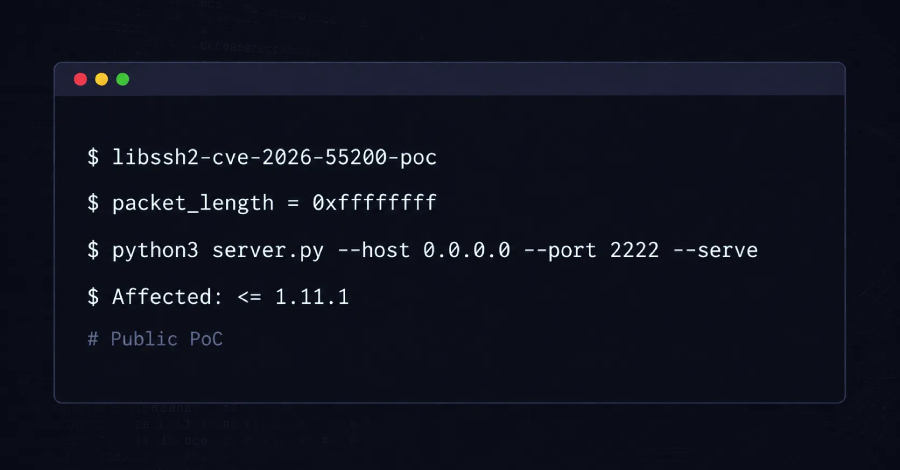
A public proof-of-concept is now out for CVE-2026-55200, a critical flaw in libssh2 that lets a malicious or compromised SSH server trigger memory corruption on a connecting client, with possible code execution. No credentials, no user interaction. The bug affects every release up to and including 1.11.1 and carries a CVSS 4.0 score of 9.2. libssh2 is a client-side SSH library, not a server.
Hijacked npm and Go Packages Use VS Code Tasks to Deploy Python Infostealer
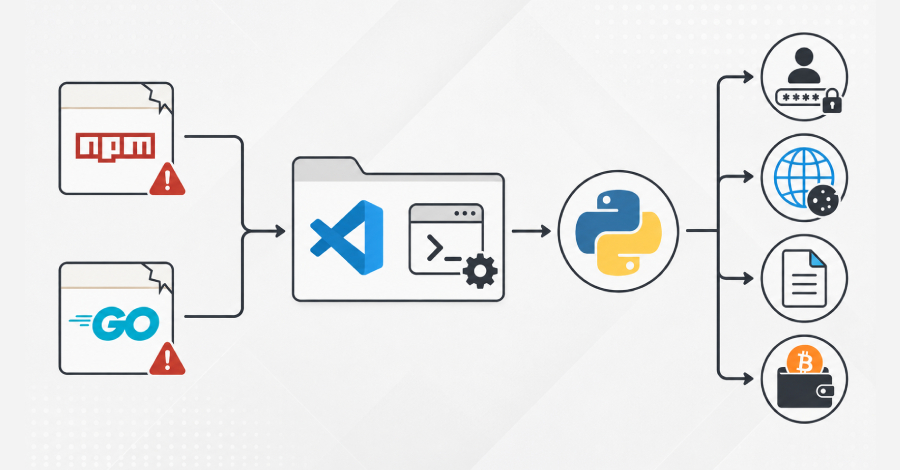
Cybersecurity researchers have uncovered two hijacked npm packages and a cluster of Go packages that are designed to deploy a Python-based information stealer on compromised Windows, Linux, and macOS hosts. “This attack avoids the most common npm execution paths through lifecycle scripts, perhaps in an attempt to remain ‘compatible’ with npm v12’s security hardenings,” JFrog said in a
Canada’s Spy Agency Used First-of-Its-Kind Warrant to Clean Botnet-Infected Devices
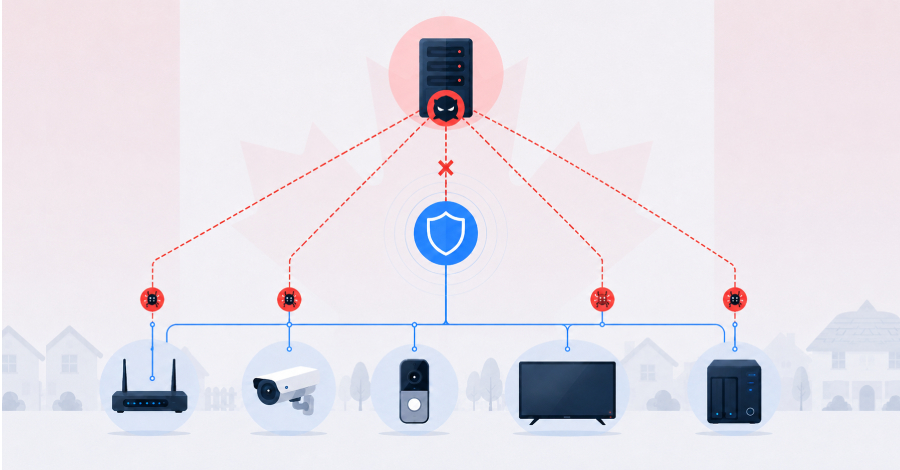
Canada’s spy service got a judge’s permission to reach into infected servers, home routers, and IoT gear sitting on Canadian soil and neutralize two foreign-run botnets. The Federal Court released a public version of the ruling on June 15. It is the first time the Canadian Security Intelligence Service has used its threat reduction warrant powers this way. The warrant let CSIS alter,
AryStinger Malware Infects 4,300 Legacy Routers to Build Reconnaissance Proxy Network

A new malware family is turning forgotten home routers into a distributed reconnaissance and proxy network, not the DDoS botnet these devices usually end up in. QiAnXin’s XLab calls it AryStinger and counts at least 4,300 infected routers, a total it says is still rising. The distinction matters. AryStinger exists for the stage of an attack that comes before the break-in. Infected
INTERPOL Warns Phishing, Ransomware, and AI Scams Are Rising Across Asia-Pacific

A new report from INTERPOL has revealed a “dramatic increase” in cybercrime in Asia and the South Pacific, fueled by rapid digitalization, internet penetration, new technologies, organized criminal networks, and a disparity in cybersecurity maturity. According to INTERPOL’s 2025/2026 Asia and South Pacific Cyberthreat Assessment Report, phishing has emerged as the most widespread and